MOTO APPAREL / Rider Guide

EN 17092
Testing Guide.

What the tests check, what the classes mean, and how to read the label on your riding gear.

Explore the tests
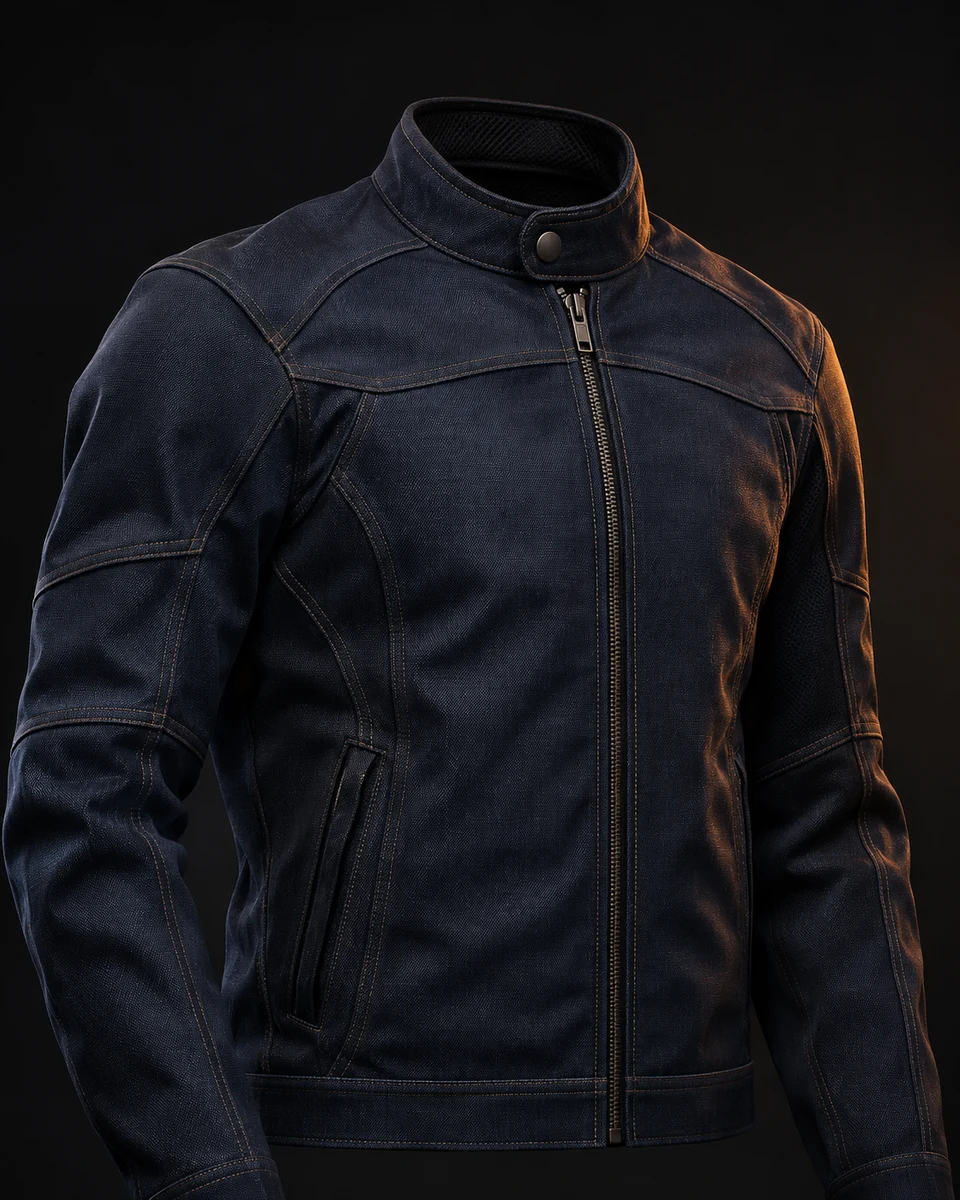
Illustration of a dark indigo riding jacket
Illustrative garment detail

Understanding protective clothing

Beyond the fabric.

01

What is tested?

The materials and the way they’re put together.

EN 17092 covers protective motorcycle garments such as jackets, trousers and suits. Part 1 describes how assessments are carried out; Parts 2–6 set the requirements for the garment classes.

Impact abrasion
Checks how the materials used in different areas of the garment hold up when they strike and slide across a test surface.
Tear resistance and seam strength
Checks whether fabric tears spread and whether structural seams and closures hold under load.
Fit, movement and protector placement
Checks whether you can move as needed and whether the required protectors cover their intended areas.
Stability after cleaning
Where applicable, checks whether cleaning as instructed changes the garment’s dimensions.

02

What do the classes mean?

AAA
Part 2. The most demanding of the three general protective garment classes.
AA
Part 3. Intermediate requirements within the general protective garment classes.
A
Part 4. Lower requirements than AA and AAA for general protective garments.
B
Part 5. Class A abrasion protection without the requirement for integrated impact protectors.
C
Part 6. Holds impact protectors in place and is intended to complement abrasion-protective gear.

03

Read the label.

Example garment label
EN 17092-2:2020 · Class AAA

The class applies to the specific garment model. A fabric swatch test alone cannot establish that class. Check the armor separately for its applicable EN 1621 standard, impact level and coverage.

From Fibre to Rider

See how the gear comes together.

Back to The Process
EN 17092 Testing Guide | MOTO APPAREL